


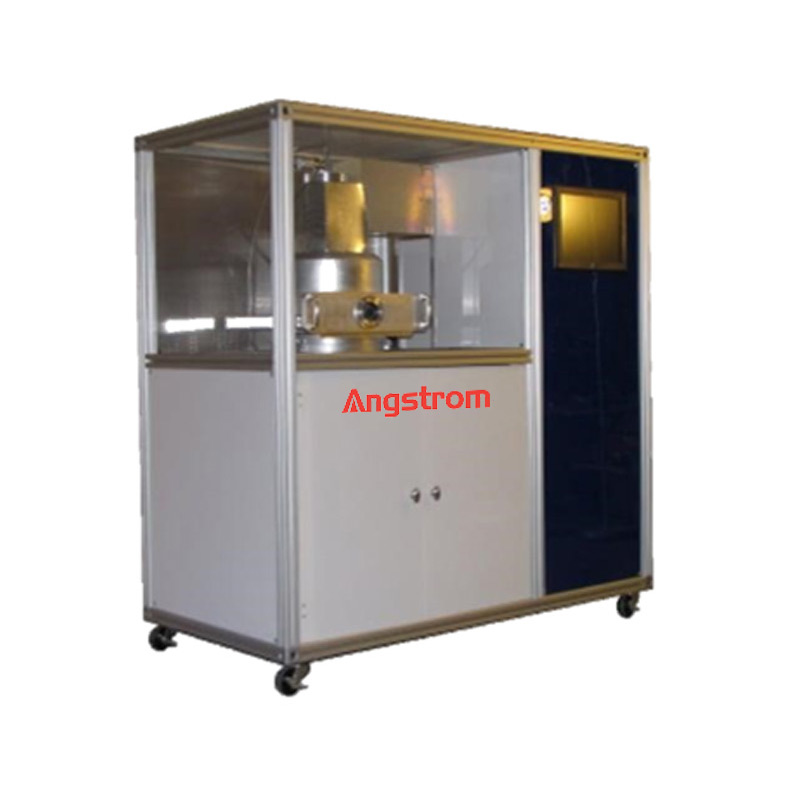
Product Introduction
Modular, the configuration can be selected based on demand and budget, featuring both powder, chip and plasma functions simultaneously. It is easy to operate and maintain
The unique heating sample platform and the higher temperature range of the heating and insulation outer cavity can reach up to 700 ° C
The temperature control is fast and precise
Drawer-type sample injection makes sample injection more convenient
The cavity is compact and convenient
Save precursors
Independent, standardized and replaceable quartz powder chambers
The maximum temperature can reach 350°C
Avoid contamination of the wafer between different powder particles and powder particles
Plasma is directly generated between the top cover of the cavity and the sample stage
High efficiency, directly etch the sample
The plasma carrier gas, after preheating, will not cause condensation on the precursor
The sample stage is heated by the radiation from the inner heating chamber
Slow heating
High-temperature chambers have high technical requirements, high costs and are difficult to maintain
The cavity is large, consuming precursors
Generally, samples are loaded into the upper cover by lifting it, and drawer-type sample injection is not allowed, which occupies operational space and
Equipment space
The double-chamber structure will block the injection of plasma and reduce efficiency. The cold plasma carrier gas will condense the precursor gas and directly generate plasma between the top cover of the chamber and the sample stage
Separate powder device, or powder-wafer shared cavity
Individual device: Increase equipment investment
Shared use: Affects their respective effects and causes pollution
Scientific research
Many members of the team are employed by the world's top equipment companies.
It holds the world's top position in equipment research and development as well as the application of core technologies
Cutting-edge technology, with over 20 years of experience in thin film deposition processes and equipment
Have experience in development and marketization
Technical features
The Angstrom ALD system takes high precision, high uniformity and wide material compatibility as its core advantages. The key technical parameters are as follows
Thickness control: Single-atom layer precision, precisely regulating the film thickness through the number of cycles (growth <1 nm per cycle).
Temperature range: Substrate heating temperature 25℃ to 450℃ (optional up to 650℃), compatible with low-temperature deposition requirements (such as biomedical coatings).

Sedimentary performance
Angstrom ALD
Precursor compatibility: 4, 6, or 8 selectable precursor source paths are available, with a source bottle capacity of 100cc. It supports temperature control from room temperature to 250℃ and is compatible with the deposition of materials such as oxides (Al₂O₃, HfO₂), nitrides (TiN, AlN), and metals (Pt, Cu).
Vacuum and carrier gas: Standard Alcatel mechanical pump, molecular pump or dry pump is available as options; The carrier gas supports nitrogen/argon to ensure the cleanliness of the reaction chamber.
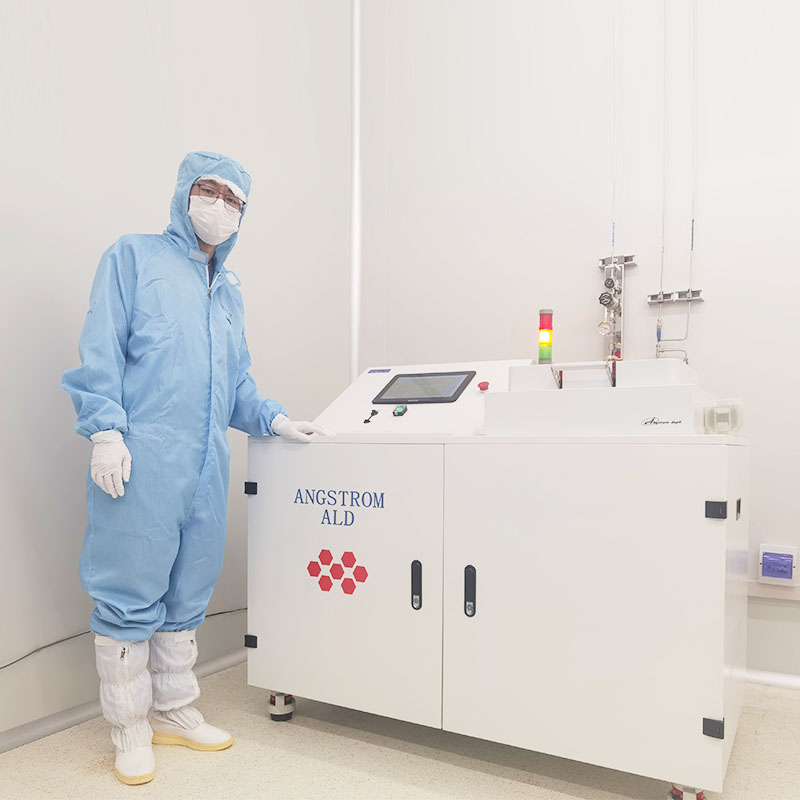
Automation and Integration: Compatible with 100-level cleanroom environments, supports batch processing of multiple wafers (4 to 12 inches), compact equipment size (e.g. 950mm×700mm)

System configuration
Angstrom ALD
Oxides: Al₂O₃, TiO₂, HfO₂, ZnO, etc.
Nitrides: TiN, AlN, TaN, etc.
Metallic elements: Pt, Ru, Cu, Ni, etc.
Composite structure: gradient materials or doped systems such as AlTiNx and HfSiOx.

Material deposition range
Angstrom ALD
Product Recommendation
GET IN TOUCH